A QUIZ, A SCORECARD AND A FEW HONEST NOTES
You have a free Saturday. Nothing is booked and nobody needs anything from you. Pick the three options below that sound most like how you would actually want to spend it.
THE QUESTION: WHAT SOUNDS GOOD?
- Telling the story from last week that always gets a laugh, and doing the voices.
- A long walk, a swim, a dance in the kitchen, anything where the body leads.
- Going somewhere you have never been, with no fixed plan.
- A game with rules, scoring and a real winner.
- Planning something: a dinner, a trip, a surprise for a friend.
- Hunting for a particular thing: a record, a stamp, a vintage find, a rare recipe.
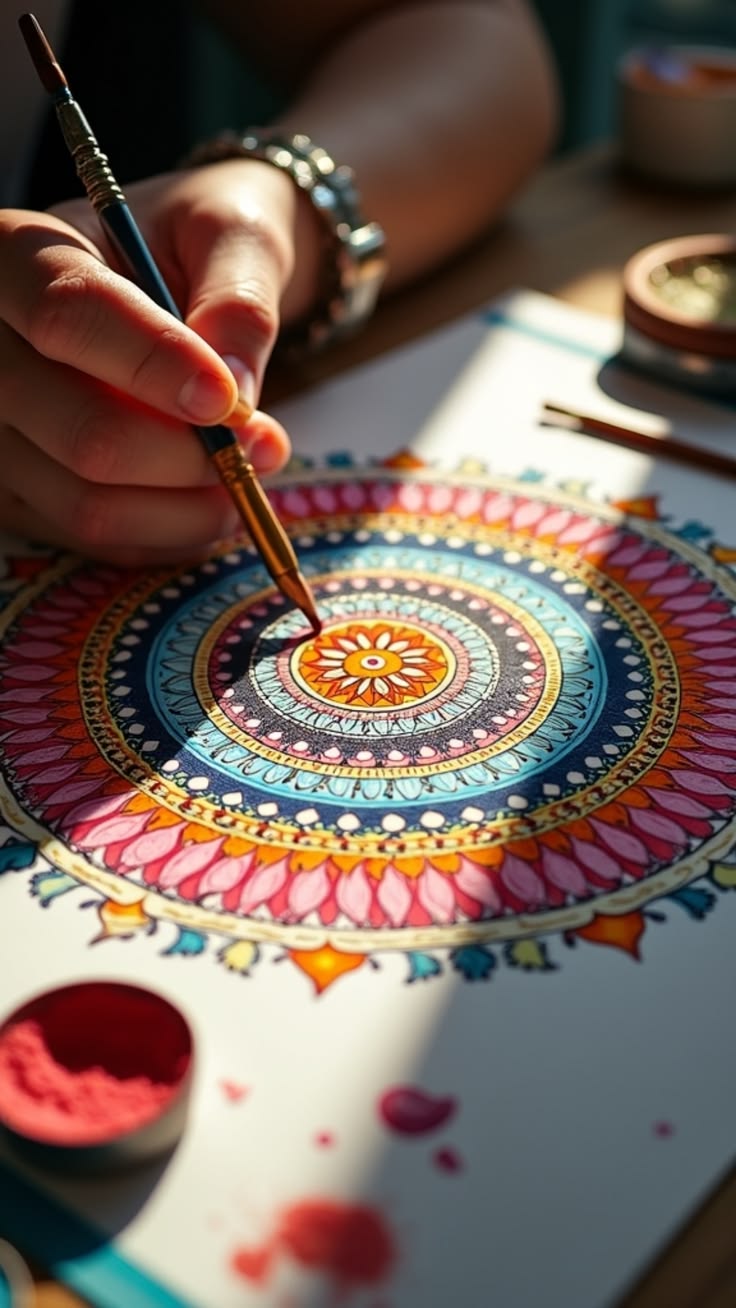
- Making something with your hands: painting, baking, gardening, building.
- Losing yourself in a good book, film or an imaginary world.
Count your letters, then read on.
THE SCORECARD
These are the eight "play personalities" described by Dr. Stuart Brown, a psychiatrist who founded the National Institute for Play and wrote a book called Play in 2009.
- The Joker. Silliness, nonsense, making other people laugh. Often the person who holds a room together.
- The Kinesthete. Thinks best while moving. Their play is walking, dancing, swimming, sport.
- The Explorer. Novelty is the reward. This can mean new places, but also new ideas or new foods.
- The Competitor. Loves games with rules and a score, and enjoys the stretch of trying to win.
- The Director. Plans and runs the event. They get joy from shaping an experience for others.
- The Collector. Enjoys building a set, whether of objects, facts or experiences.
- The Artist or Creator. Needs to make something, and gets absorbed in the process.
- The Storyteller. Lives through imagination: reading, writing, films, make-believe.
Most people are a blend of two or three, and some find that one fades with age. Many adults notice that the personality they had as a child is the one they have quietly stopped feeding.
WHAT COUNTS AS PLAY?
Brown described play as having a few recognisable features: it is apparently purposeless, voluntary, attractive in itself, free from the sense of time, free from self-consciousness, open to improvisation, and something you want to keep doing. A useful test is whether you would do it with nobody watching and nothing to gain.
That is why scrolling usually fails the test. It passes time, but it rarely absorbs you in the way play does.
EVEN RATS DO IT
Play is not a human invention. The neuroscientist Jaak Panksepp found that young rats give off ultrasonic chirps, which he called a kind of laughter, when they play or are tickled. They will seek out the person who tickles them, which suggests play feels rewarding to the rats themselves. Dogs offer a clear signal too: the play bow, front legs down and rump in the air, is a way of saying "what comes next is just for fun, so don't take the nipping seriously." Animals invest in play because it matters, which hints that for people it is more than a luxury.
WHAT THE RESEARCH SAYS ABOUT ADULTS
Researchers such as René Proyer at the University of Zurich have studied adult playfulness as a personality trait. Playful adults tend to report higher life satisfaction and cope with stress somewhat better. The usual caution applies: this research is mostly correlational. It may be that happier people are more playful, rather than play making people happier. Brown's eight types are also a popular framework, not a validated psychological test, so treat the quiz above as a conversation starter.
There is a famous line, often attributed to the play theorist Brian Sutton-Smith, that the opposite of play is not work but depression. It is a memorable way of putting it, though it works better as a prompt than as a diagnosis.
FOR TEAMS AND EVENTS
Mapping play types is useful when you are planning a team activity. The idea is that different people enjoy different things, so a mixed menu beats a single forced game.
- Competitors: quizzes, leaderboards, friendly tournaments.
- Explorers: scavenger hunts, field trips, "try something new" sessions.
- Collectors: stamp cards, badge sets, passport-style challenges.
- Artists: craft corners, building tasks, group murals.
- Storytellers: improv, story circles, photo challenges with captions.
- Jokers: a talent-show slot or a roast-free comedy corner.
- Kinesthetes: walking meetings, dance breaks, a short movement session.
- Directors: hand them the schedule. They will be glad to run it.
TRY IT THIS WEEK
- Find your top two types, and add one small dose of each to your week.
- Make it low stakes. Play stops being play when it becomes another goal to be good at.
- Keep it purposeless on purpose. No tracking and no sharing.
- Notice what you drift towards when nobody is asking anything of you.