PRE-FLIGHT CHECKLIST: CHALLENGE AND RESPONSE
In a cockpit, a challenge-response checklist works like this: one pilot reads an item aloud, the other checks it and answers. Nothing proceeds on assumption. The NASA nap study is quoted everywhere as a settled fact, so let's run it the same way.
CHALLENGE: "NASA STUDIED A 26-MINUTE NAP."
RESPONSE: CONFIRMED, WITH A CORRECTION.
The research came from the Fatigue Countermeasures Program at NASA's Ames Research Center, led by Mark Rosekind. The full results appeared in a 1994 NASA technical memorandum, and a compact summary followed in the Journal of Sleep Research in 1995.
CHALLENGE: "SUBJECTS: ASTRONAUTS."
RESPONSE: NEGATIVE.
This is the most common mistake. The subjects were airline pilots. Researchers followed 21 long-haul crews on scheduled Boeing 747 flights across the Pacific, in real airline operations rather than a simulator.
CHALLENGE: "GROUP DESIGN."
RESPONSE: TWO GROUPS.
Twelve pilots were given a planned rest opportunity of about 40 minutes during the cruise phase, while the other crew members stayed at the controls. Nine pilots got no rest opportunity and stayed awake throughout.
CHALLENGE: "26 MINUTES WAS THE OPTIMAL NAP LENGTH, DELIBERATELY CHOSEN."
RESPONSE: NEGATIVE.
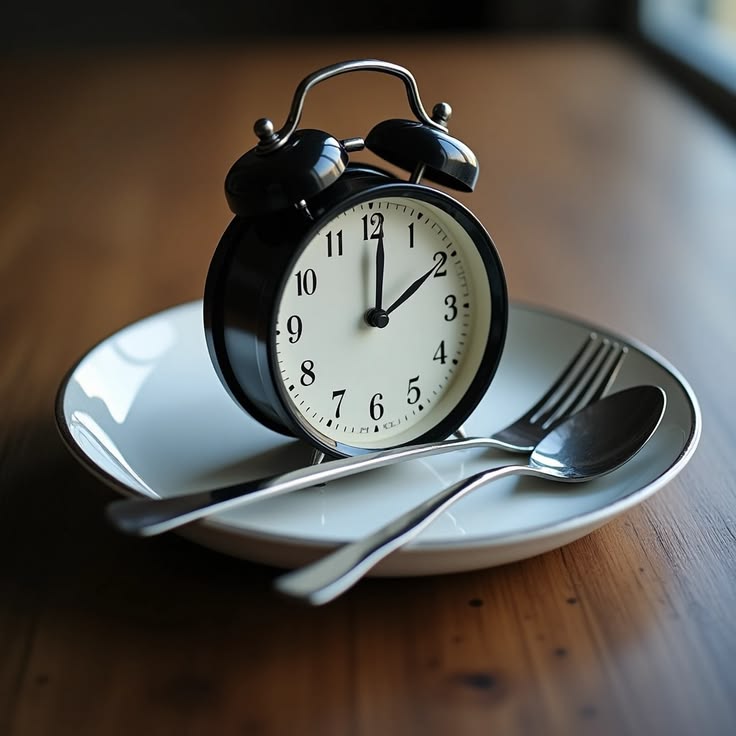
The pilots were offered 40 minutes. About 93 percent of them actually slept, taking roughly 5.6 minutes to drop off and then sleeping for about 25.8 minutes on average. That average is where the famous 26 comes from. It is what happened, not a number NASA engineered.
CHALLENGE: "RESULT: PERFORMANCE UP 34 PERCENT, ALERTNESS UP 54 PERCENT."
RESPONSE: CONFIRMED, WITH ANNOTATION.
The two numbers describe different measures. The 34 percent refers to reaction-time and vigilance performance on a computer task. The 54 percent refers to physiological alertness, measured through brain-wave recordings. The pilots who rested also had far fewer microsleeps than those who did not.
CHALLENGE: "SAMPLE LARGE ENOUGH FOR UNIVERSAL CLAIMS."
RESPONSE: NEGATIVE.
Twenty-one crews, with twelve resting, is a careful field study in a hard-to-study setting. It is also small and specific. Treat it as a strong signal, not a law of nature.
CHALLENGE: "RESULTS APPLY DIRECTLY TO AN OFFICE NAP."
RESPONSE: PARTIAL.
The broader research on short naps points the same way, but this study had conditions you will not have at your desk. A trained colleague was flying the plane, the nap came at a planned time, and the crew had recovery time afterward to shake off grogginess before taking the controls again.
CHALLENGE: "ADOPTED BY REGULATORS."
RESPONSE: PARTIAL.
Several aviation regulators and airlines now allow controlled rest on long flights under strict rules. The US Federal Aviation Administration has historically been more cautious. Rosekind later served on the US National Transportation Safety Board and kept citing the study when arguing for fatigue management.
CHALLENGE: "NAP REPLACES SLEEP."
RESPONSE: NEGATIVE.
The goal of planned rest was to hold performance steady on a long, tiring flight, not to create a superhuman pilot. It was one tool alongside proper scheduling and rest between flights.
- WARNING: If you feel drowsy while driving, pull over. Rosekind pointed out that tricks like turning up the radio or opening a window tend to work for only about ten minutes. A short stop to rest does more.
- CAUTION: Sleeping much longer than half an hour risks sleep inertia, that heavy, foggy feeling on waking. If you will be going straight back to demanding work, keep it short and allow a few minutes to come round.
- NOTE: Nobody at NASA called it the "NASA nap" at the time. The name came later, and it is one reason people assume the study involved astronauts.
DEBRIEF: WHAT TO DO WITH THIS
Treat a short rest as a performance tool, not a reward for finishing work. For fatigued people, it can be the most productive 25 minutes of the afternoon.
Aim for a window of about half an hour at most, and plan a few minutes of recovery afterward.
If you manage people, make short rest possible: a quiet room, a closed door, no guilt. A policy only works if people believe it is allowed.
Quote the study accurately. "Pilots on long flights who napped did measurably better" is true and defensible. "NASA proved 26 minutes is perfect" is not.