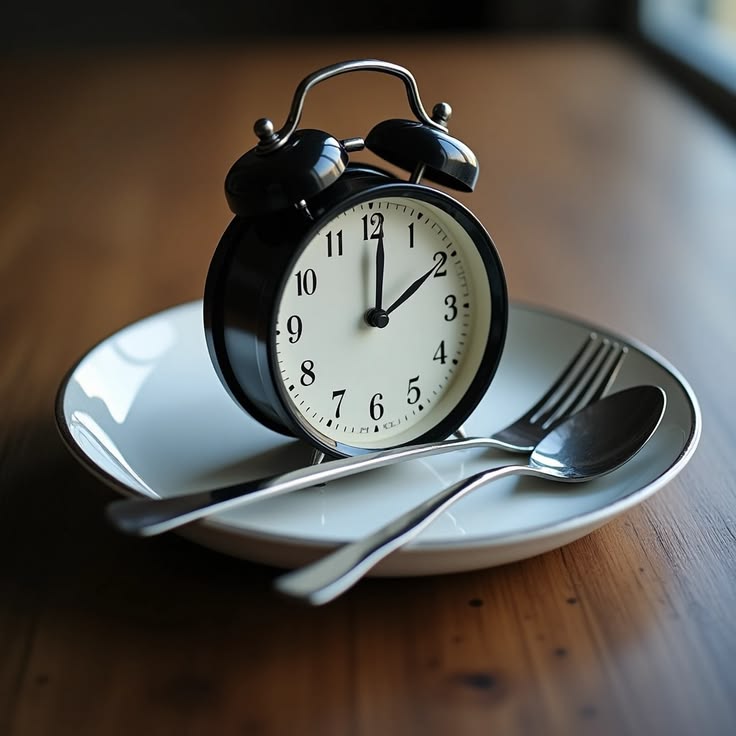
"Before entering a combat situation, SEALs don't visualise success. They breathe. Four seconds in. Four hold. Four out. Four hold. The body doesn't know the difference between a battlefield and a boardroom — but box breathing calms both."
What is Box Breathing?
Box breathing (also called square breathing or 4-4-4-4 breathing) is a structured breath control technique that divides the breathing cycle into four equal phases — inhale, hold, exhale, hold — each held for the same count, typically 4 seconds. Its name comes from the four equal sides of a box.
Developed and popularised by former Navy SEAL Commander Mark Divine, it is now standard issue in US military stress inoculation training, used by Navy SEALs, Special Forces, and combat controllers before and during high-stakes operations. It is also used by performance psychologists, surgeons, emergency responders, and elite athletes worldwide.
What makes it uniquely effective compared to other breathing techniques is the deliberate hold phases — both after the inhale and after the exhale. These holds create a controlled increase in CO₂ tolerance, directly reducing the body's panic response to stress. The regular cadence also activates the baroreceptors (pressure sensors in the aorta and carotid arteries), which signal the vagus nerve to activate the calming parasympathetic system.
Breathe in slowly through the nose, filling the lungs from the bottom up. Count to 4 at one beat per second.
Hold the breath at full capacity. Soft hold — no strain. CO₂ begins to build, training your tolerance to its signal.
Release slowly and steadily through the mouth or nose. The exhale activates the vagal brake — this is when calm arrives.
Hold empty. This is the most challenging phase. Stay relaxed. Then begin the next cycle from position 1.
The Neuroscience
The respiratory system is the only autonomic system directly controllable by voluntary action — and breathing patterns are the fastest way to change the state of the nervous system. Box breathing exploits this in three ways: the extended exhale directly activates the vagus nerve; the breath holds increase CO₂ tolerance, reducing anxiety's physiological trigger; and the rhythmic cadence activates the baroreceptors that signal "calm" to the brain stem.
Stanford neuroscientist Andrew Huberman's research has confirmed that deliberate physiological sighs and controlled breath holds produce immediate, measurable changes in heart rate variability (HRV) — the most reliable biomarker of nervous system regulation.
When to Use It
4 cycles (64 seconds) before entering the room. Cortisol drops, HRV rises, voice steadies. The SEALs use it before breaching a door — same principle applies.
The rhythmic cadence interrupts the loop of anxious thought by giving the mind a task to focus on. 5–10 minutes replaces the hour of ceiling-staring.
Excuse yourself or simply breathe through the next response. Four seconds creates enough space to respond rather than react. The pause is the practice.
5 minutes of box breathing before checking your phone sets the nervous system for the day. Competes directly with cortisol's natural morning peak.
Used by Olympic shooters, surgeons, and Special Forces before fine motor tasks requiring precision. Reduces micro-tremor, sharpens focus, extends time perception.
Clinical trials show daily box breathing practice reduces generalised anxiety scores by 25–40% over 4 weeks — comparable to first-line pharmacological interventions.
"Control your breathing. Control your mind. Control your mission."— Mark Divine, former Commander, US Navy SEALs