In 1991, a TV programme posed a question that baffled nutritionists: how can the French eat buttery croissants, rich cheeses, fatty duck confit, and drink wine daily — yet have some of the lowest rates of heart disease in the developed world? Scientists called it the French Paradox. The French simply called it lunch.
The Science Can't Explain It. The Culture Can.
For decades, nutritionists tried to attribute France's health outcomes to single factors — resveratrol in wine, the saturated fat hypothesis being wrong, genetics. But every single-variable explanation fell short.
The real answer, researchers now believe, is not what the French eat — but how. The entirety of French food culture conspires to produce health that no individual ingredient could explain alone.
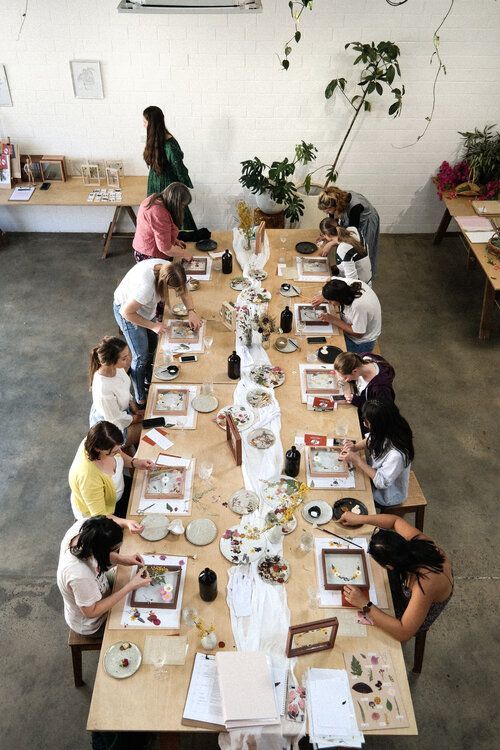
Meals at the Table, Not on the Go
The French have among the longest average mealtimes in the world. Eating slowly gives the body time to register fullness — the 20-minute satiety signal actually fires before the plate is cleared.
Pleasure, Not Guilt
French food culture frames eating as one of life's great pleasures — not a moral exercise. Research shows that stress-free eating improves digestion, nutrient absorption, and satisfaction.
Quality Over Quantity
French portions are modest. Ingredients are high-quality. A single piece of good cheese satisfies more than a block of the mediocre kind. Satiety comes from quality, not volume.
No Snacking
Traditional French culture has three meals a day and little snacking between them. The gut gets rest. Insulin levels stay balanced. The body is not in constant digestive overdrive.
Wine as Ritual, Not Excess
A glass of wine with dinner, not a bottle. Wine as conversation accompaniment, not stress relief. The distinction matters enormously for the body's relationship with alcohol.
The French don't eat to live. They live to eat — and the difference in intention is perhaps the difference in health.
What the Rest of the World Can Borrow
Sit Down
Every meal, without exception. The table is not just furniture — it's a container for ritual, slowness, and social connection.
Buy Less, Better
One great cheese instead of five mediocre ones. Quality reorients your relationship with food from volume to value.
Make It an Event
Even a solo lunch deserves a plate, not a screen. The French treat food as worthy of attention — and they are right.
Eat Without Guilt
No food is inherently bad in French culture. It's the relationship — the portion, the occasion, the company — that determines the outcome.
The Paradox Was Never Really a Paradox.
The French weren't defying science. They were demonstrating something science struggled to measure: that how we eat matters as much as what we eat.