For decades, scientists puzzled over a paradox: populations in Southern Europe ate plenty of fat, drank wine, and didn't obsess over calorie counts — yet they had some of the lowest rates of heart disease, cancer, and dementia in the world. The answer wasn't a supplement or a superfood. It was a way of eating that had been passed down for thousands of years.
What's Actually on the Mediterranean Table
The Mediterranean Diet isn't a strict regimen — it's a pattern. A rhythm of eating shaped by geography, season, and culture. Rich in plants, generous with olive oil, light on red meat, anchored by community.
Vegetables, Fruits, Whole Grains, Olive Oil
The foundation of every plate. Colourful, seasonal, local.
Legumes, Nuts, Seeds, Herbs & Spices
Protein from the earth. Flavour without processed additives.
Fish & Seafood
Omega-3-rich, lightly prepared. The sea on the plate.
Poultry, Eggs, Dairy
In proportion — never the centrepiece.
Red Meat & Sweets
Treats, not staples. Savoured, not defaulted to.
Olive Oil
The cornerstone fat. Rich in polyphenols and heart-protective monounsaturated fats.
Red Wine
In moderation, with meals — resveratrol and ritual in one glass.
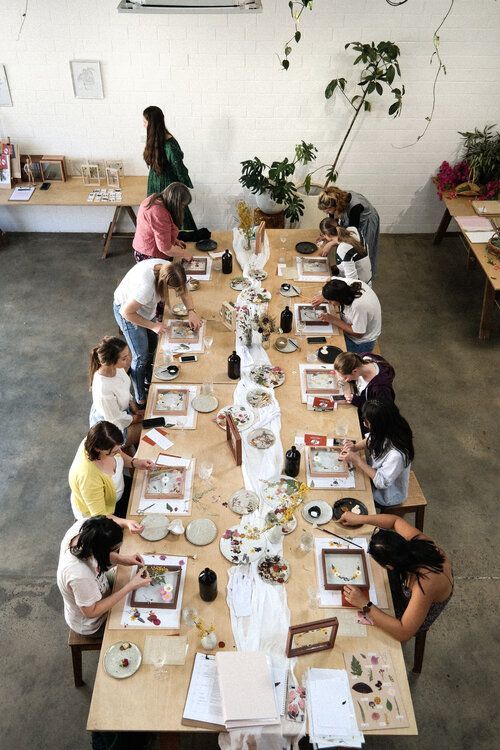
Eating Together
The meal as social ritual. Slower eating, better digestion, longer lives.
Let food be thy medicine and medicine be thy food.
It Was Never Just About What They Ate
The longest-lived Mediterranean populations share more than a menu. They nap in the afternoon. They walk everywhere. They eat slowly, with family, at the table. Meals last hours — not because the food is complex, but because the company is cherished.
The diet, it turns out, is inseparable from the lifestyle. Remove the community, the slowness, the pleasure — and you have ingredients, not culture.
The Longest Table Is Also the Healthiest One.
The Mediterranean Diet isn't a plan to follow for 30 days. It's a relationship with food — patient, pleasurable, and deeply social — to return to for a lifetime.